.svg)



Spring diet – eat tasty and colorful
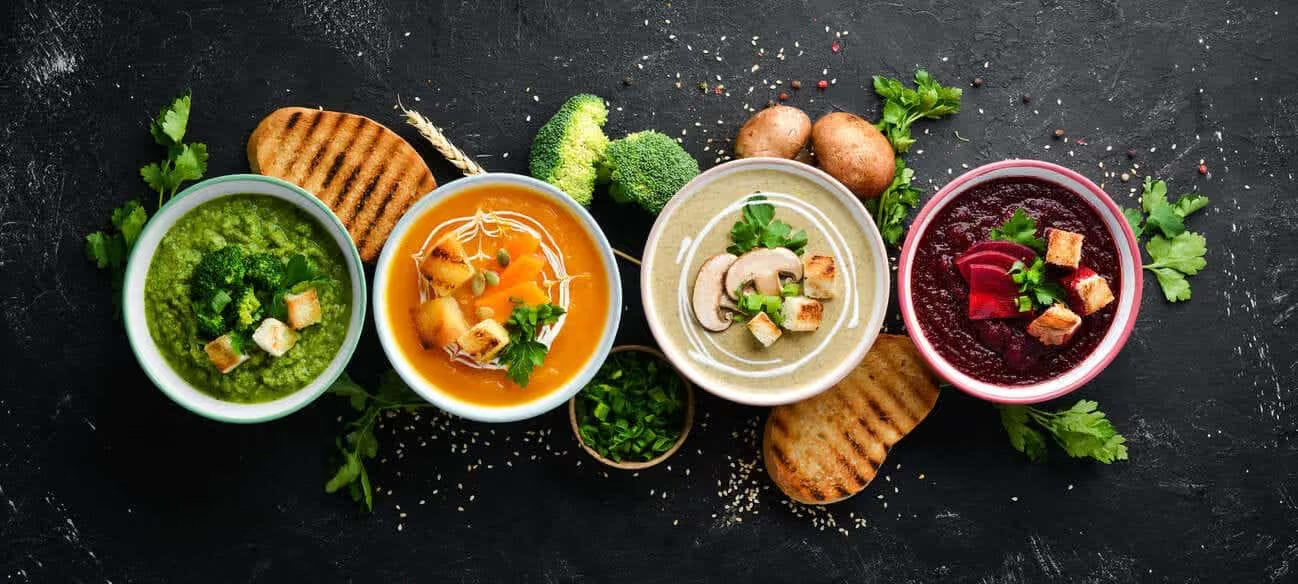
A spring diet is a real powerhouse of young vegetables rich in vitamins and antioxidants. Meals in a spring diet are based on fresh greens, sprouts, lettuce, radishes, dill, chives, and beet greens. There is also plenty of room for aromatic and easily digestible herbs: basil, thyme, rosemary, or bay leaves. This combination helps cleanse the body of toxins accumulated over the winter, improves liver and gallbladder function, boosts metabolism, and replenishes deficiencies in vitamins and minerals such as calcium, potassium, and magnesium. In turn, a spring diet diversified with legumes will be a source of protein, as well as complex carbohydrates, fiber, B vitamins, and minerals.
What else should be included in a spring diet? Vegetable and fruit juices, which are a great alternative to light meals when you're feeling less hungry. It's worth adding parsley to your smoothies, as it is a true treasure trove of vitamin C. As stated by the National Center for Nutritional Education
"parsley contains over three times more vitamin C than a lemon! It is also a rich source of beta-carotene (provitamin A), folates, potassium, and iron. We should consume it in large quantities during the spring season to replenish vitamin C deficiencies, which is responsible for immunity and supports our body in fighting infections.”*
Another advantage of a spring diet is the reduction of red meat, which consequently lowers the risk of cancer. The International Agency for Research on Cancer (IARC) has compiled the results of studies on the link between meat consumption and the incidence of cancer. “Studies have shown that frequent consumption of pork, beef, and other types of red meat can be a cause of cancer development. Red meat has been classified into a groupthat includes agents that are probably carcinogenic to humans. Processed meat (e.g., sausages, hot dogs, cold cuts) proved to be an even stronger carcinogen and has been classified into a group of agents for which there is convincing evidence that they are carcinogenic to humans.”**
The MIND diet – when you want to boost your brain power
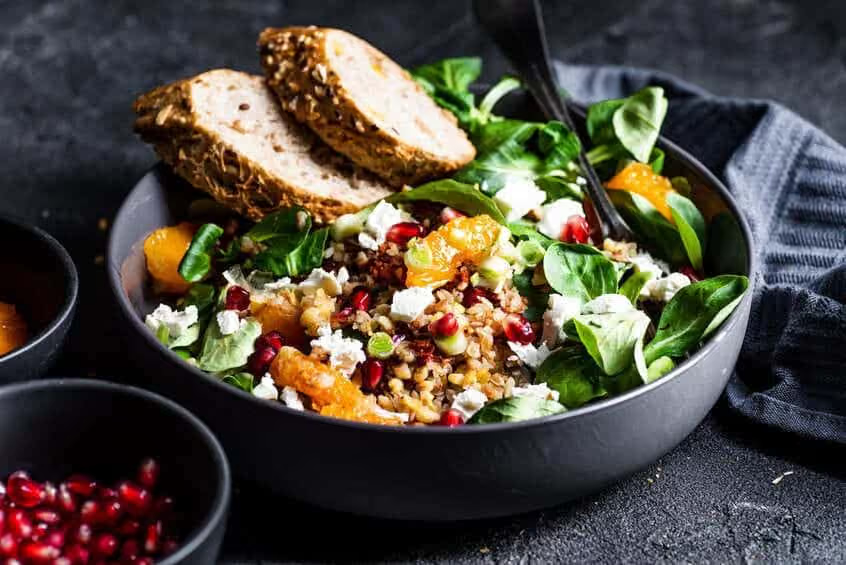
Want to boost your brainpower and sharpen your focus to the max? Try the trendiest diet of 2022 – the MIND diet! In this case, the hype is well-deserved.
The MIND diet combines elements of two other eating patterns widely recognized as some of the healthiest in the world: the Mediterranean diet and the DASH diet. Research has shown that this nutritional model helps reduce the risk of Alzheimer's disease and dementia by maintaining healthy blood flow and reducing harmful inflammation.
What is the MIND diet based on? When following the MIND diet, you should consume leafy green vegetables, whole grains, fish, poultry, and olive oil at least six times a week. Leafy green vegetables are a source of folic acid, vitamin E, carotenoids, and flavonoids. Fish, on the other hand, contains omega-3 fatty acids that help fight harmful inflammation in the body, including in the brain. Additionally, omega-3 fatty acids have antioxidant properties, which help protect the body's cells from damage. When brain cells are damaged, the resulting condition can lead to changes that are precursors to Alzheimer's disease and dementia.
Scientific studies have shown that "people who strictly followed the diet's principles had a 53% lower risk of developing Alzheimer's disease, while those who followed the recommendations less strictly had a 35% lower risk." It was also noted that people who strictly followed the MIND diet experienced slower cognitive decline"***.
Anti-inflammatory diet – stay looking young for years
Are you struggling with chronic stress and autoimmune diseases, and do you also want more energy and to delay the aging process? With an anti-inflammatory diet, it's much easier than you might think.
An unhealthy lifestyle, lack of sleep, chronic stress, persistent mental tension, and untreated illnesses—all these factors lead to inflammation in the body. However, a proper diet can combat their consequences.As clinical nutritionist Dr. Hanna Stolińska states, "inflammation causes all kinds of diseases and accelerates the body's aging. It is the cause of many problems in the body (atherosclerosis, circulatory diseases, allergies, autoimmune diseases, insulin resistance). It is rarely talked about, but this is the main goal of an anti-inflammatory diet: to slow down the aging process and the development of diseases"****.
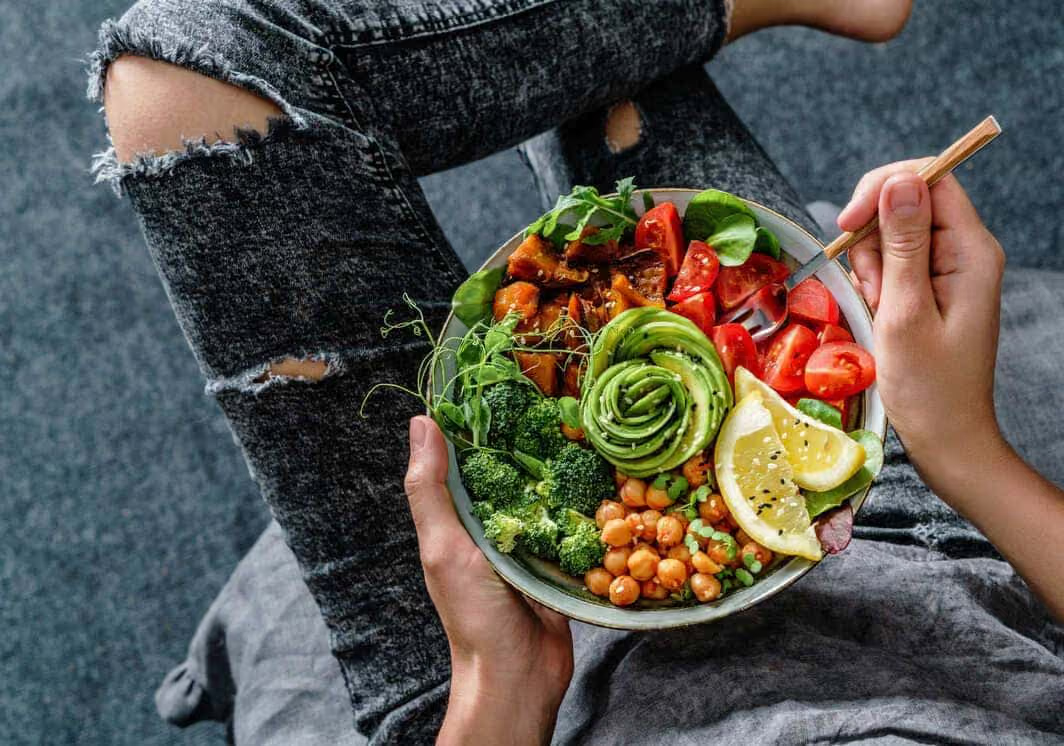
The anti-inflammatory diet is rich in fruits and vegetables, especially dark leafy greens (kale and spinach), legumes (beans, chickpeas, soy, lentils, and their products), olive oil, fatty sea fish, whole grain products (rich in selenium and zinc), and vegetable oils. According to clinical nutrition specialist Maria Brzegowy, "an anti-inflammatory diet is particularly worth considering for patients with conditions such as rheumatoid arthritis, Hashimoto's disease, endometriosis, psoriasis, or morbid obesity."*****
Want to try a spring, anti-inflammatory, or MIND diet? With the MultiLife Program, you have access to the Diet Creator, where you will find meal plans prepared by top nutritionists!
*https://ncez.pzh.gov.pl/abc-zywienia/wiosenne-porzadki-na-talerzu/
** https://ncez.pzh.gov.pl/abc-zywienia/wiosenne-porzadki-na-talerzu/
*** https://zdrowie.interia.pl/diety/news-dieta-mind-dieta-wspierajaca-prace-mozgu,nId,5746572#utm_source=paste&utm_medium=paste&utm_campaign=firefox
**** https://zwierciadlo.pl/zdrowie/524006,1,dieta-przeciwzapalna.read
*****https://www.doz.pl/czytelnia/a15417-Dieta_przeciwzapalna__zasady_dla_kogo_lista_produktow_przeciwzapalnych_przepisy_i_jadlospis