.svg)



Prioritize your sleep
One of the most common symptoms of stress is difficulty sleeping. Getting enough sleep is the foundation of our health. When we become sleep-deprived, it affects our thinking and attitude, our body feels tired, and we start to get sick. Sleep difficulties are a signal that something is happening in our lives and we are going through a stressful period.
Move for pleasure
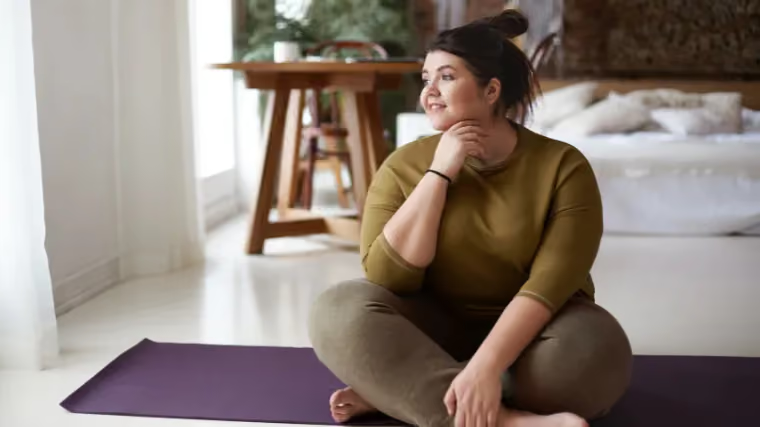
Incorporating regular physical activity—whether it's a 15-minute daily walk, yoga, or swimming—significantly improves our physical and mental well-being and promotes healthy sleep.
Each of us has a different circadian rhythm. Some of us function better early in the day, while others prefer later hours. It is worth observing yourself to figure out how you can best use your day. To find out and gain this kind of insight, you should observe and listen to your body and mind – what they have to tell you and what they want to inform you about.
Be kind to yourself
Work on your inner voice: the inner critic versus the supportive parent. Which one are you more like right now? Support yourself in your actions, don't criticize yourself if you didn't manage to do something—learn from your mistakes, gain experience, and keep moving forward.
Focus on growth
Choose something you haven't had the chance to do before and learn something new. Do it at your own pace, don't put pressure on yourself, and don't feel guilty if you think it's taking too long to see results from the new skills you're acquiring; give yourself time.
Take care of your nutrition
Consult a nutritionist who can help you determine what you can do and how to implement healthy eating habits. After all, you are what you eat!

Focus on your breathing
Proper oxygenation is essential for maintaining health. It reduces stress, improves brain and body function, and boosts energy. Even a 15-minute walk can provide significant benefits in this regard! Every exhale is a way to release what you no longer need, while an inhale is something new and necessary – a renewal. Focusing on your breath brings you into the here and now and increases body awareness.
Practice mindfulness
Mindfulness is the conscious experience of what is happening to us, observing our breath, thoughts, and feelings without judgment or denial. Conscious mindfulness changes our attitude toward many things. It influences our self-image and, consequently, our perception of the world we live in.
Through regular attention, breathing exercises, and meditation, we can better read, detect, and respond to signals from our body. Understanding what is happening in our body—in ourselves—gives us the power to influence and change our health, and thus our quality of life. We can have a truly significant impact on what happens to us, how we think, feel, and function! Doesn't knowing this already make you feel a little better?
Exercise
Regular physical activity affects both our physical and mental condition. Movement plays a vital role in reducing the stress we all face in our daily lives. Physical activity supports mental health prevention. Exercise triggers the release of endorphins, which are responsible for a sense of well-being. Known as "happy hormones," they also have an analgesic effect, minimizing pain. In addition to these, physical exertion causes the body to produce dopamine and serotonin, which have calming and antidepressant effects. It also improves the quality of our sleep, which in turn leads to better concentration and improved cognitive function.
If you prioritize meeting your own needs first, then it will be easier for you to take care of the needs of others as well. Remember that you can also ask for help from loved ones, friends, and family. It is always worth considering professional support and talking to a psychologist, who will help you look at your challenges from a different perspective and provide expert knowledge and substantive support.