.svg)


Who is it for?
The anti-inflammatory diet is suitable for everyone, regardless of age. It is especially recommended for those looking to avoid the negative effects of lifestyle diseases (such as obesity, diabetes, insulin resistance, atherosclerosis, and cardiovascular disease) or those struggling with conditions involving chronic inflammation. And there are many of these. Inflammation is an underlying factor in many diseases, including inflammatory bowel diseases (e.g., Crohn's disease, ulcerative colitis), endometriosis, and autoimmune conditions (e.g., Hashimoto's, type 1 diabetes, rheumatoid arthritis, psoriasis, celiac disease, multiple sclerosis).
Importantly, the anti-inflammatory diet is versatile enough to suit various weight goals—whether you want to lose weight, gain weight, or maintain it, you can! The key to achieving your goal will, of course, be setting the appropriate caloric intake for your plan.
Dietary principles
The anti-inflammatory diet involves making dietary modifications that help lower the risk of chronic inflammation, which contributes to the development of many diseases. Its principles are based on a tool used to assess a diet's anti-inflammatory potential. Individual foods are assigned points based on their content of components that influence the inflammatory process. Based on this assessment, it is recommended to include specific groups of anti-inflammatory foods in appropriate amounts while eliminating those that have pro-inflammatory effects.
In the assessment of an average daily menu, the fast-food diet performed the worst due to its poor fatty acid profile and low supply of fiber and flavonoids. In contrast, the Mediterranean diet and a vegetarian variation performed the best.
It is worth being aware that not only the products consumed but also your overall eating style matters and can either stimulate or mitigate the development of an inflammatory response. The foundation of an anti-inflammatory diet is based on healthy eating principles and the food pyramid.
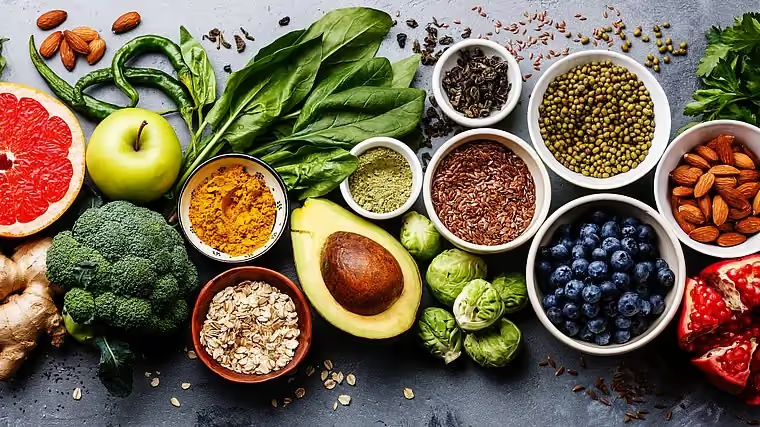
According to these, the basis of the diet should be vegetables and fruits, whole-grain cereal products, legumes, healthy fats (olive oil, nuts and seeds, avocado), fish and seafood, and other protein sources (low-fat dairy, eggs, poultry, lean meats). Unsaturated fatty acids, vitamins A, C, and E, selected minerals (selenium, iron), and flavonoids are considered particularly important in inhibiting inflammatory processes. Epidemiological studies indicate a reduced incidence of inflammatory and autoimmune diseases in populations whose diets are rich in EPA and DHA fatty acids from fish. Derivatives of polyunsaturated fatty acids influence the synthesis of substances that extinguish the inflammatory process and protect against it becoming chronic.
Which foods are recommended, and which should we avoid?
The anti-inflammatory diet should primarily exclude sources of high-energy, processed foods high in saturated fats, simple sugars, or those with a high glycemic index. These are poor sources of the vitamins, minerals, and antioxidants we need most. Therefore, the following should be removed from your menu: alcohol, sugary drinks, sweets, salty snacks (chips, sticks, crackers), refined grain products, pastries, fast food, instant meals, red meat, and processed meat products. For some people (especially those struggling with immune diseases), eliminating gluten-containing grains and casein (dairy protein) may also be beneficial. However, this should always be considered on an individual basis. In such cases, the pro-inflammatory effect mainly concerns people with an allergy to gluten or milk protein.
On the other hand, it is worth including the following in an anti-inflammatory diet:
- vegetables (mainly leafy greens, cruciferous vegetables, and fermented vegetables),
- fruits (especially berries),
- legumes (e.g., soy, beans, chickpeas, lentils),
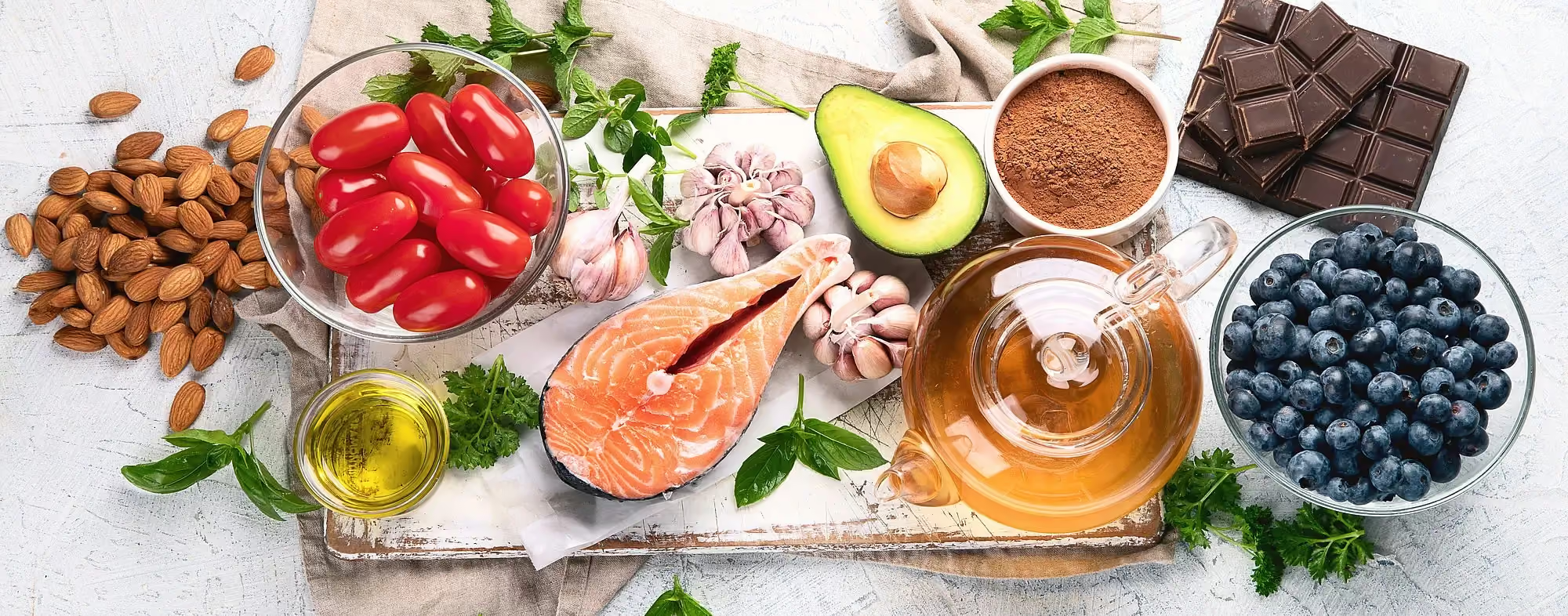
- sources of omega-3 unsaturated fatty acids (fatty sea fish, e.g., salmon, mackerel, herring, tuna, algae),
- whole-grain cereal products (including al dente pasta, rice, groats, quinoa, cereal flakes),
- nuts and seeds (e.g., walnuts, almonds, flaxseed),
- selected plant fats (e.g., olive oil, evening primrose oil, flaxseed oil, rapeseed oil, avocado),
- spices and herbs (cinnamon, turmeric, garlic, ginger),
- tea and coffee,
- dark cocoa or dark chocolate.
What will I eat?
The anti-inflammatory plan in MultiLife is primarily based on meals consisting of antioxidant-rich products. Among the ingredients, you will find leafy green vegetables, fish, nuts, berries, chocolate, and cocoa. Based on these, many tasty options for smoothies, salads, or oatmeal with nuts and fruit have been created. The diet eliminates gluten, dairy, and red meat. Fried foods and eggs have also been limited.
Bibliography
- Haß, U., Herpich, C., & Norman, K.: Anti-inflammatory diets and fatigue. Nutrients, 2019, 11(10), 2315
- Percival SS1, Vanden Heuvel JP, Nieves CJ, Montero C, Migliaccio AJ, Meadors J. Bioavailability of herbs and spices in humans as determined by ex vivo inflammatory suppression and DNA strand breaks. J Am Coll Nutr, 2012 Aug; 31(4):288-94
- Gier D., Nutritional treatment in endometriosis, New trends in dietetics, WSIiZ, 2019, 33-38
- Bordoni A, Danesi F, Dardevet D, et al. Dairy products and inflammation: A review of the clinical evidence. Crit Rev Food Sci Nutr. 2017; 57(12):2497–2525
- B. Olencki et al.: An anti-inflammatory diet as treatment for inflammatory bowel disease: a case series report. Nutrition Journal, 2014
- A. Kurczyńska, E. Dymarska, Immunostimulating food ingredients in the prevention and mitigation of inflammatory processes, Scientific Journals of PWSZ in Legnica, No. 27 (2) 2018